Sign in
Home
News
Breaking
Gujarat
India
International
Today In The History
Nutshell in 99
Chitralekha Event
Gallery
Latest Videos
Features
Editor’s Desk
Society
Behind The Lens
Mojmasti Unlimited
bollywood ki baten
Yoga & Wellness
Kahevat
Religion & Spirituality
Cooking Tips
Variety
Yogic Sampada
Panchang
Grah & Vastu
PNP
Founder Vaju Kotak
About us
Magazine
My account
Gujarati Print + e-magazine
Gujarati e-magazine subscription
Special Issue
Books
Contact Us
Sign in
Welcome!
Log into your account
your username
your password
Forgot your password?
Password recovery
Recover your password
your email
Search
chitralekha
Home
News
Breaking
Gujarat
India
International
Today In The History
Nutshell in 99
Chitralekha Event
Gallery
Latest Videos
Features
Editor’s Desk
Society
Behind The Lens
Mojmasti Unlimited
bollywood ki baten
Yoga & Wellness
Kahevat
Religion & Spirituality
Cooking Tips
Variety
Yogic Sampada
Panchang
Grah & Vastu
PNP
Founder Vaju Kotak
About us
Magazine
My account
Gujarati Print + e-magazine
Gujarati e-magazine subscription
Special Issue
Books
Contact Us
NEWS
All
National
International
Business
Sports
Entertainment
More
શું સરકાર ખાનગી સંપત્તિને જપ્ત કે પુનર્વિતરિત કરી શકે? જાણો…
April 25, 2024
નવી દિલ્હીઃ બંધારણનો ઉદ્દેશ સામાજિક પરિવર્તનની ભાવના લાવવાનો છે અને એ કહેવું ખતરનાક હશે કે કોઈ વ્યક્તિની ખાનગી સંપત્તિને સમાજ કે ભોતિક સંસાધનોના રૂપે...
April 25, 2024
લોકસભા ચૂંટણીઃ ભાજપ, કોંગ્રેસે કાયદાનું કર્યું ઉલ્લંઘન
April 25, 2024
IPL મામલે સાઈબર પોલીસે અભિનેત્રી તમન્ના ભાટિયાને...
April 25, 2024
કોરાનાના 79 નવા કેસો, એકનું મોત
April 24, 2024
સારા સમાચાર… સોનાના ભાવમાં થયો ઘટાડો
April 24, 2024
કોંગ્રેસ ધર્મના આધારે અનામત લાગુ કરવા માંગે...
TODAY IN THE HISTORY
૨૫ એપ્રિલ, ૨૦૨૪
April 25, 2024
૨૫ એપ્રિલ, ૨૦૨૪
EDITOR'S DESK
All
Poli Scope
Palette
More
સુરતઃ કોનું થયું વસ્ત્રાહરણ?
BREAKING
Subscribe Now
Subscribe For Print And Get Digital Magazine Free Now
GUJARAT NEWS
April 25, 2024
ગુજરાત સ્થાપના દિવસે જ PMના રાજ્યમાં ચૂંટણી...
April 25, 2024
અમદાવાદ લોકશાહીના મહાપર્વમાં ઉત્સાહભેર ભાગીદારી નોંધાવવા તૈયાર
April 25, 2024
સુરતમાં મતદાન નહીં થાય અને થશે પણ!
April 25, 2024
જૂનાગઢ નું રાજકારણ ગરમાયું, ભાયાણી સામે કાર્યવાહી...
April 24, 2024
આવતીકાલે વિશ્વ મેલેરિયા દિવસ
MUMBAI NEWS
April 24, 2024
મુંબઈ: મતદાન અંગે જાગૃતિ લાવવા બહેનોનો અનોખો...
April 23, 2024
વિશ્વ પુસ્તક દિવસ: લેખકોએ તો ઉપાડી કલમ…પણ...
April 23, 2024
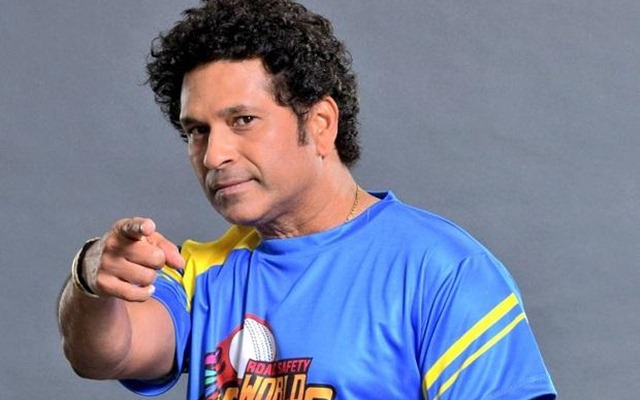
સચિન તેંડુલકર હેફેલના બ્રાન્ડ એમ્બેસેડર બન્યા
April 22, 2024
મુંબઈની વલ્લભનિધિ હવેલીમાં રામ ભગવાનનો પ્રાગટ્ય ઉત્સવ...
April 20, 2024
અવસર પતિની પ્રશંસા કરવાનો… Just Love
FEATURES
All
Business Funda
Health
Travel & Tourism
Entertainment and Fashion
Technology
International Affairs
National Affairs
Youth & Women
Tribute
More
લોકસભાનીચૂંટણીમાં 266 ઉમેદવારો, માત્ર 19 મહિલા, જાણો વિગત..
કેટલા પ્રકારના છે મતદાતાઓ, કેટલી રીતે થાય છે મતદાન, જાણો
SOCIETY
નોટ આઉટ @ 88 : જ્યોતિબહેન સોમાણી
MOJMASTI UNLIMITED
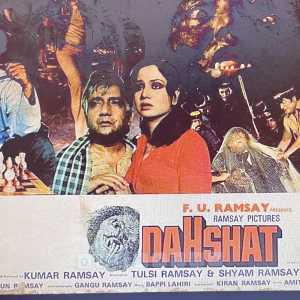
ભૂત પિશાચ અતિનિકટ આવે, રામસે જબ ફિલિમ બનાવે!
BEHIND THE LENS
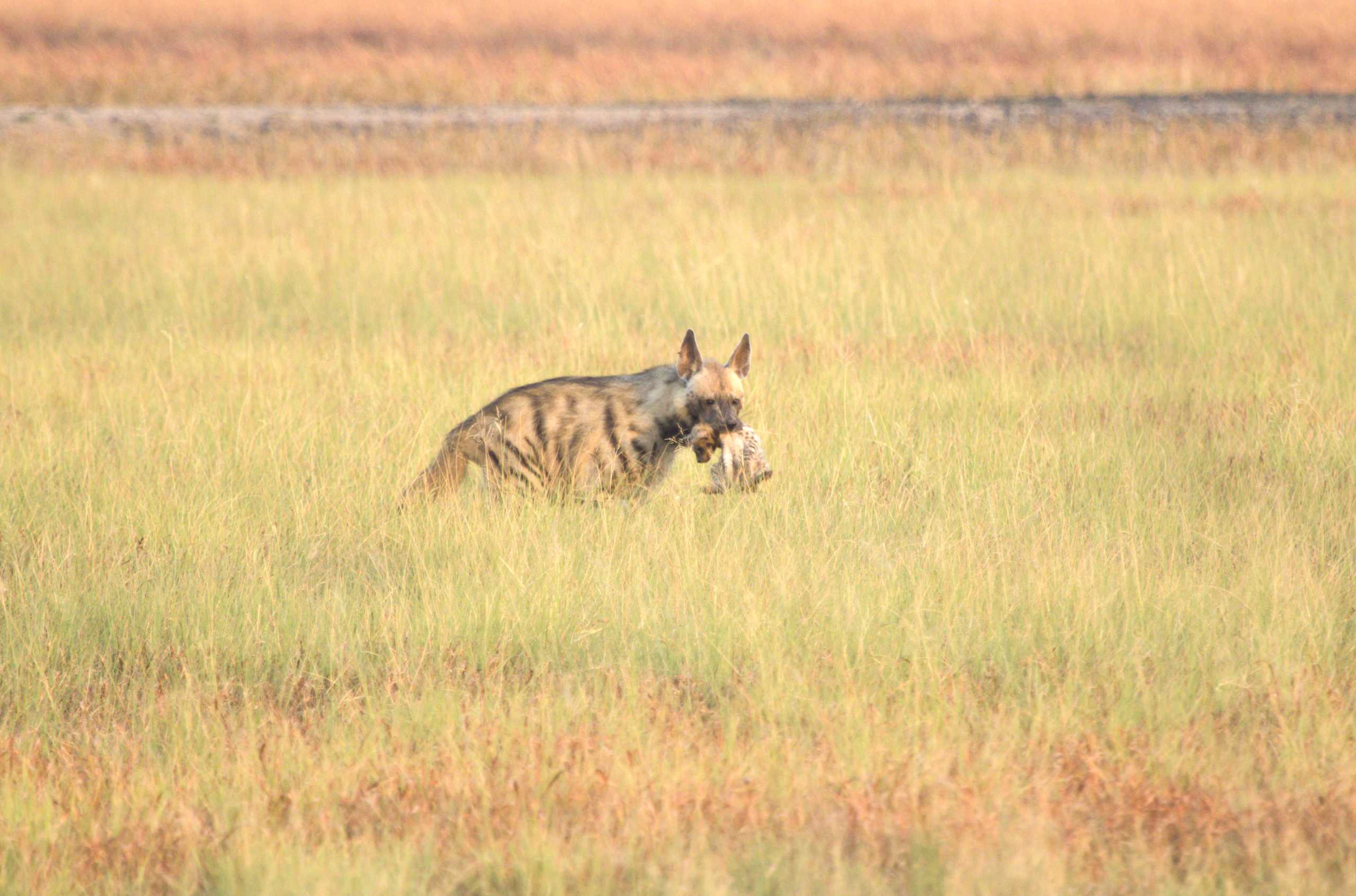
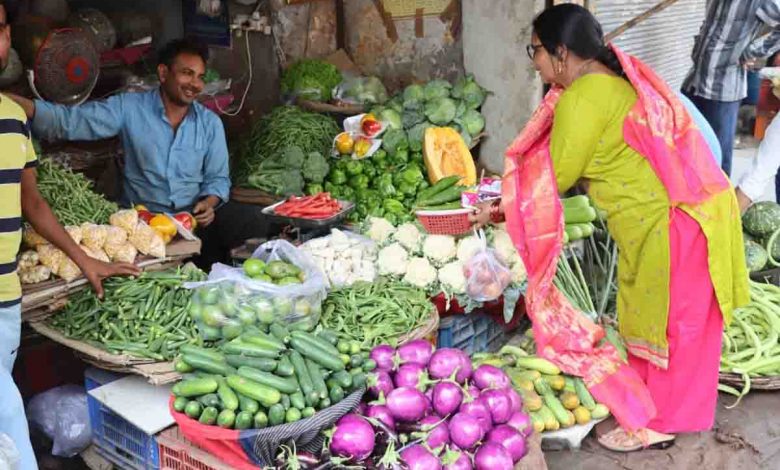
જંગલમાં જવલ્લે જ જોવા મળતી ઘટનાનો પ્રસંગ જીવન ભર યાદ રહેશે
BOLLYWOOD KI BATEN
ફિલ્મની બે અભિનેત્રીઓ પર ત્રીજીનો અવાજ રાખ્યો
GALLERY
All
News & Event
Sports
Culture
Fashion & Entertainment
Travel
More
Birthday Special: સચિન તેંડુલકરની આ બાબતો તમે નહીં જાણતા હોય
જ્યારે મહેશ ભટ્ટે મનોજ બાજપેયીને કહ્યું હીરો જેવો નથી દેખાતો, તારું...
વરુણ ધવનની પત્ની નતાશાની બેબી શાવર સેરેમનીની ઈનસાઈડ તસવીરો
કાજોલની દીકરીને નથી બનવું હીરોઈન, આ ક્ષેત્રમાં બનાવવું છે કરિયર
ELECTION 2024 : GUJARAT
અમદાવાદ લોકશાહીના મહાપર્વમાં ઉત્સાહભેર ભાગીદારી નોંધાવવા તૈયાર
YOGA & WELLNESS
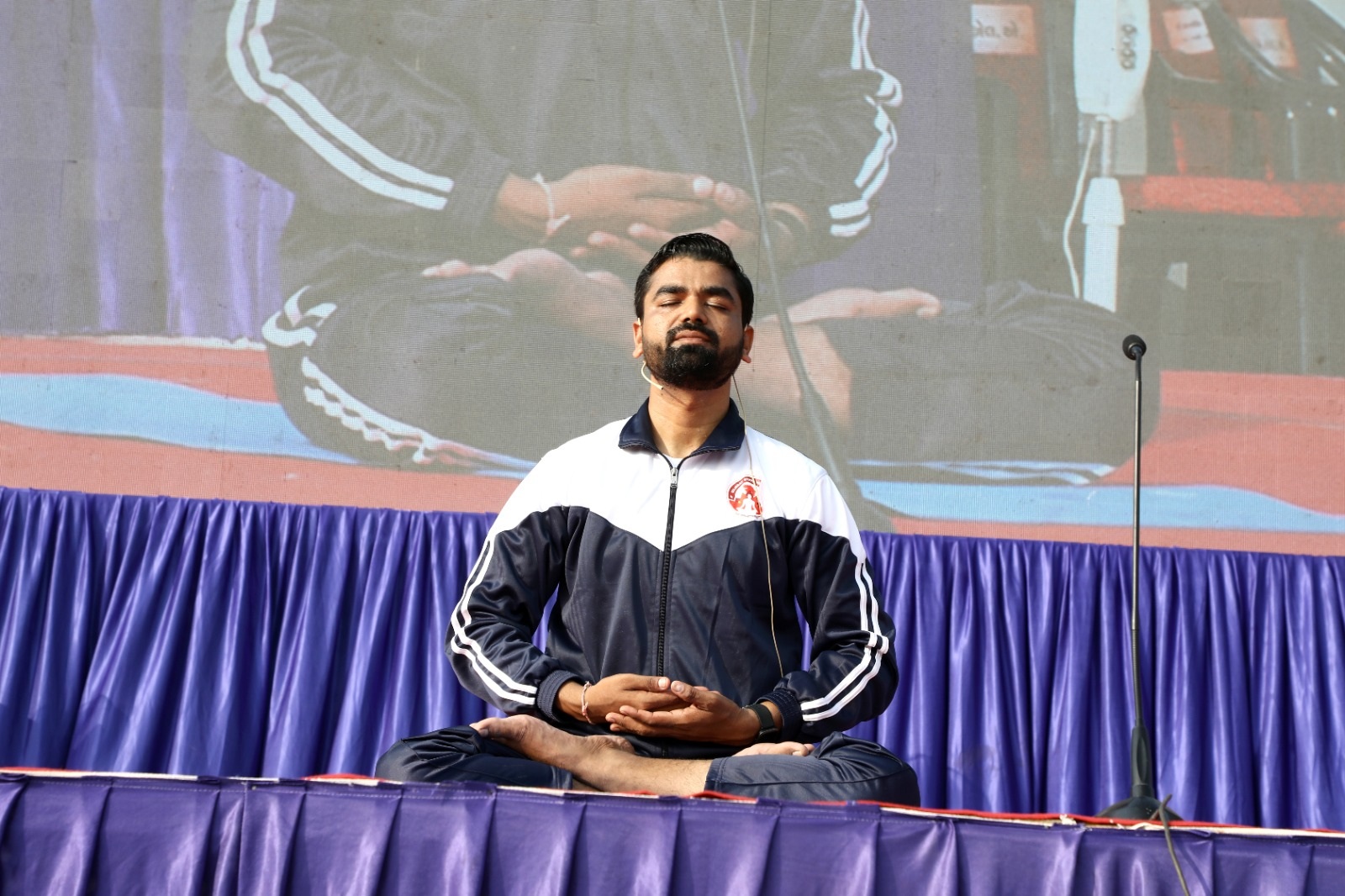
યોગ સાધનાનું મૂર્તિમંત સ્વરૂપ ‘મૌલિક બારોટ’
KAHEVAT
શુકન એ દીવો છે
RELIGION & SPIRITUALITY
All
Sadguru
Art Of living
Brahmakumari
More
અદ્શ્ય જોનારા અશક્ય કાર્ય કરી શકે…
સદગુણ તથા મૂલ્ય એક એવી ઈશ્વરીય અમાનત
એક વેર આવું બાંધો…
COOKING TIPS
રાજસ્થાની પારંપરિક કાંદાનું શાક
VARIETY
April 25, 2024
સુવિચાર – ૨૫ એપ્રિલ, ૨૦૨૪
April 23, 2024
અખિલ બ્રહ્માંડની અજાયબ વાતો
April 22, 2024
સુવિચાર – ૨૨ એપ્રિલ, ૨૦૨૪
April 21, 2024
વાહ ભાઈ વાહ! – ૨૧ એપ્રિલ, ૨૦૨૪
YOGIC SAMPADA
ભાવતાલની પાછળનો મનનો તાલ
પ્રભુ પાસે માગો શીતળતા, શાંતિ અને પવિત્રતા બક્ષે એવું ધન
NUTSHELL
Nutshell in 99
April 24, 2024
Nutshell in 99
VIDEOS
ચાર રાજ્યના ચૂંટણી પરિણામોના પાંચ સૂચિતાર્થ
ઈ-મેગેઝિન
‘ચિત્રલેખા ૨૯ એપ્રિલ, ૨૦૨૪ : આ સપ્તાહના અંકમાં વાંચો
કવર સ્ટોરી
– ચિત્રલેખા અમૃત મહોત્સવ પ્રવેશાંક…
આપણી આજકાલ
– સોનામાં કેવા છે તેજી-મંદીના ખેલ?
વાદ-વિવાદ
– બાબા રામદેવના અદાલતી યોગ-વિયોગ
CRYPTOCURRENCY
ક્રિપ્ટોકરન્સીઝ અને બ્લોકચેઇન: આજની સ્થિતિ – ૧૫ જાન્યુઆરી, ૨૦૨૪
January 15, 2024
PANCHANG
April 25, 2024
પંચાંગ 25/04/2024
GRAH & VASTU
April 19, 2024
શું પશ્ચિમ શૈલીના મકાનોમાં ભારતીય વાસ્તુના નિયમો લાગુ પડે?
CHITRALEKHA EVENT
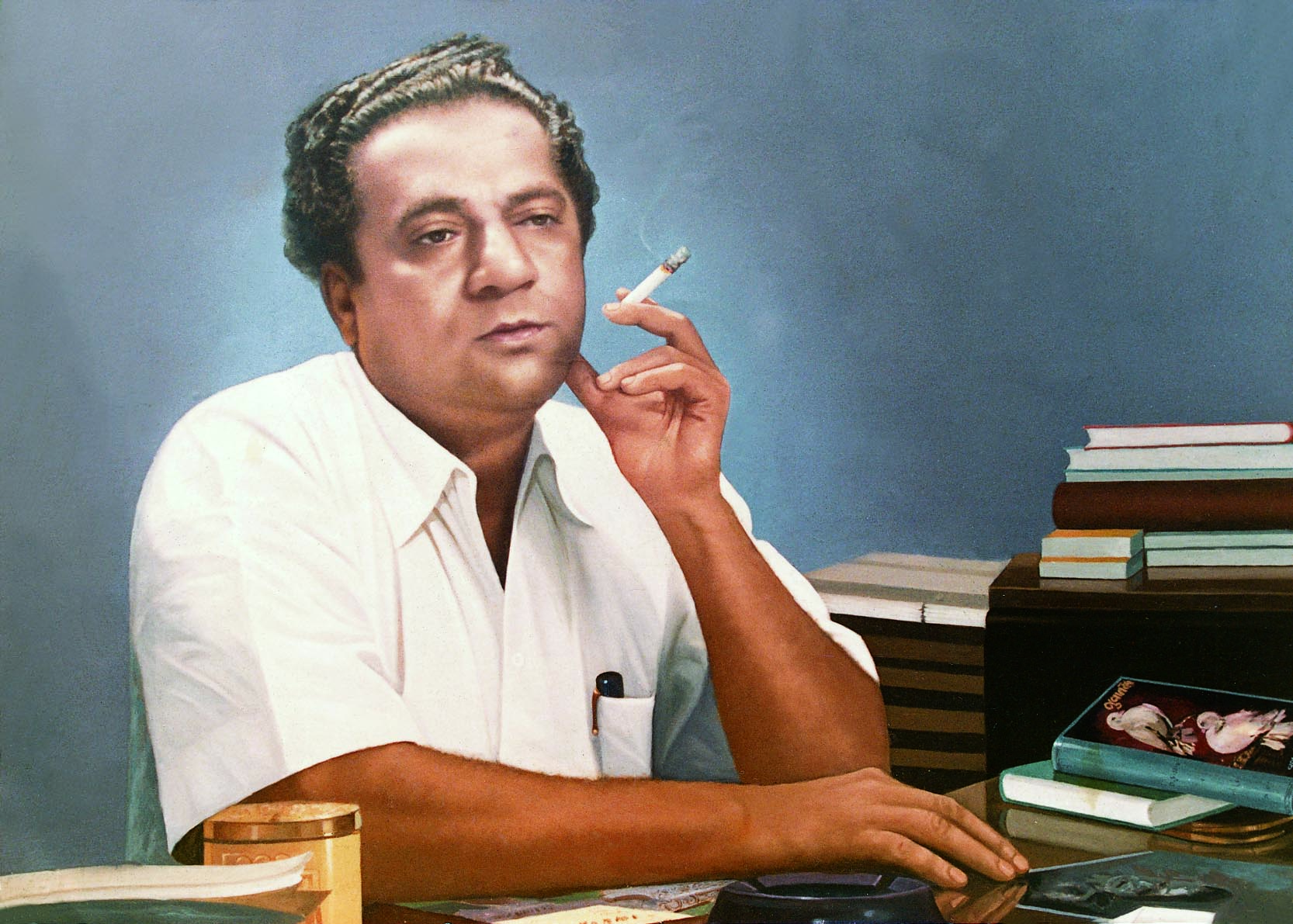
યુગસર્જક લેખક વજુભાઈ કોટકને જન્મતિથિએ સ્મરણાંજલિ
Add to home screen